Quick answer: A storm roof damage claim in Maryland follows a fixed sequence: document the damage and the date of loss, mitigate further damage with a tarp, file the claim with your carrier, meet the adjuster for the inspection, receive the carrier’s scope and first payment, have the roof replaced by a licensed MHIC contractor, and submit the final invoice to release any withheld depreciation and clear the mortgage servicer’s endorsement. Maryland’s Insurance Administration sets claim-handling standards and takes complaints, only a licensed public adjuster may negotiate the claim on your behalf, and no contractor may rebate your deductible. Affordable Home Solutions inspects and documents the damage, prepares the estimate, answers the adjuster’s questions about it, and does the work, while you keep control of the claim.
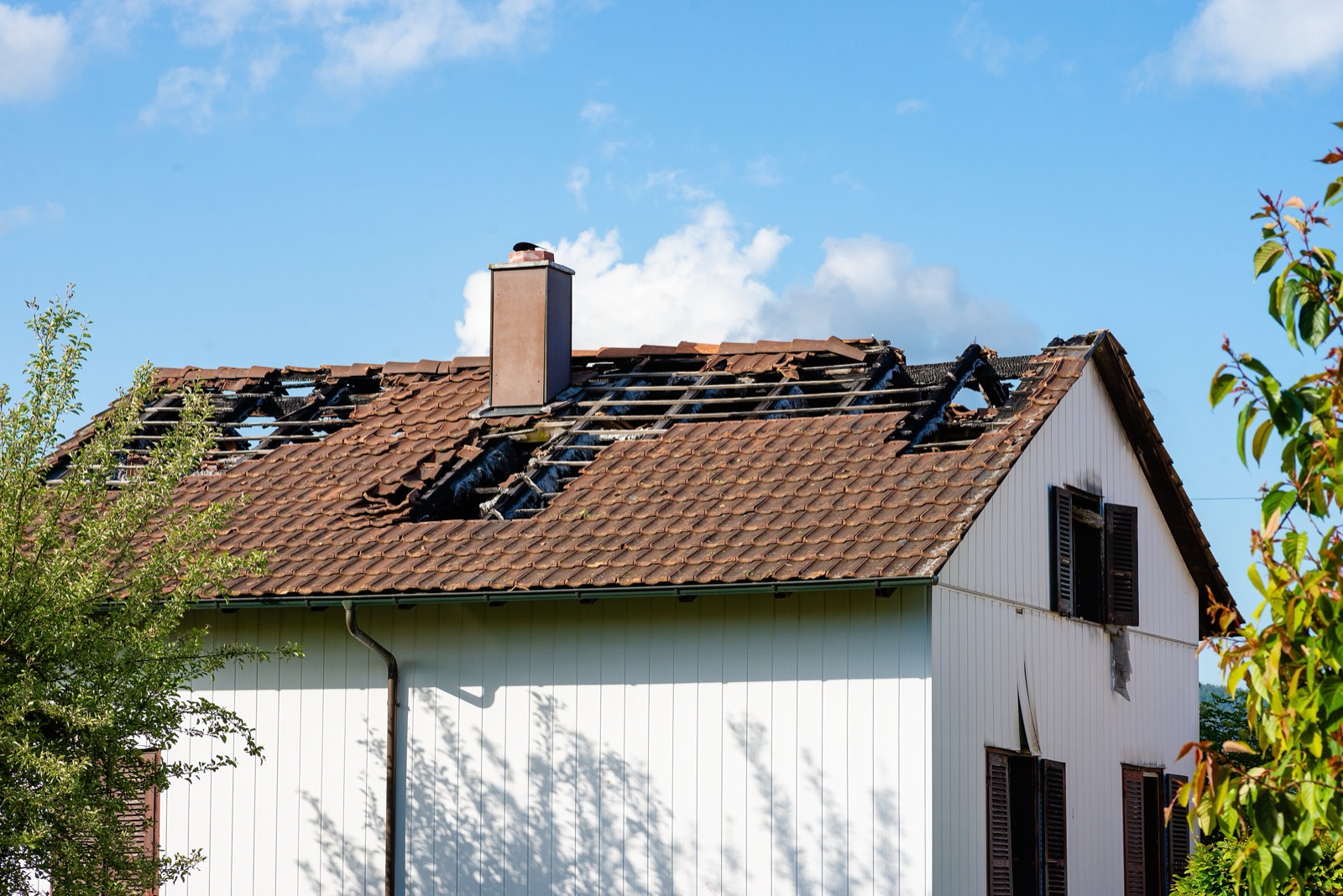
A summer thunderstorm rolls across Montgomery County, a derecho tears through Prince George’s, or a winter nor’easter lifts shingles in Bowie, and the next morning the questions start. Is the damage covered? Who calls whom first? What does the adjuster actually do? When does the money arrive, and why is the check made out to the mortgage company?
This guide from Affordable Home Solutions, a licensed Maryland and Virginia roofing contractor, walks through the claim process in the order it actually happens for Maryland homeowners, with the state rules that apply at each step. It is general information, not insurance or legal advice; your policy and your agent govern your coverage, and the Maryland Insurance Administration is the authority on claim handling.
What should you do in the first 48 hours after a storm damages your roof?
Document everything, stop further damage, and fix the date of loss before you call anyone. The claim is decided on evidence, and the best evidence exists only in the first two days.
- Photograph from the ground and inside. Missing or lifted shingles, debris in the yard, dented gutters and downspouts, damaged window screens and siding, and any ceiling stains. Photograph the attic if you can get to it safely; wet insulation and daylight through the deck are strong evidence. Do not climb on a storm-damaged roof.
- Record the date and time of the storm. Pull the National Weather Service Baltimore/Washington storm reports for your county and save the entries for your address area. Carriers check the date of loss against weather records, and a mismatch is one of the most common reasons claims stall.
- Mitigate. Your policy requires you to prevent further damage. A tarp over an open area or a bucket under a drip is mitigation; a new roof is not. Keep the receipt for any emergency work; it is usually reimbursable.
- Get a professional inspection before filing. A roofer can tell you whether the damage is storm-related and worth filing on, or whether it is wear that a claim will not cover. Filing a claim that is denied still goes on your loss history. Our free inspection includes the roof and the attic.
- Do not sign anything that assigns your claim. Contracts that assign benefits or authorize a contractor to deal with your carrier are a problem in Maryland, discussed below.
For what the damage itself looks like, including the bruising that adjusters miss, see what hail damage on a roof looks like. Research from the Insurance Institute for Business and Home Safety explains why hail and wind damage can be invisible from the ground and still shorten a roof’s life.
How do you file a storm roof damage claim in Maryland?
You file it yourself, with your carrier, by phone, app or portal, and you keep control of it from that point on. Under Maryland law, as under Virginia’s, a roofing contractor cannot file the claim for you, negotiate with your carrier, or tell you what your policy covers; those activities are reserved to you, your attorney, or a licensed public adjuster. A contractor who offers to ‘handle the claim’ is either unaware of that line or crossing it.
When you file, have ready:
- Your policy number and the declarations page, which shows your deductible and whether the roof is covered at replacement cost or actual cash value
- The date of loss and a short description: wind, hail, or tree
- Your photographs and the inspection report if you have one
- Any emergency mitigation receipts
The carrier assigns a claim number and an adjuster. The Maryland Insurance Administration sets standards for how promptly carriers must acknowledge claims, communicate and reach decisions, and it accepts complaints when a carrier does not meet them. Keep a log of every call and email from the first contact; it is the record you will need if the claim slows down.
What happens at the adjuster inspection?
The adjuster inspects the roof, marks test squares, counts hits or lifted shingles, and writes a scope that becomes the carrier’s position on what the storm damaged. This single visit decides most claims, and homeowners who treat it as a formality are the ones who end up on the denied and partial list.
| What the adjuster does | Why it matters | How to prepare |
|---|---|---|
| Inspects each slope, sometimes from the ground or by drone | Slopes not inspected are not in the scope | Ask that every slope be walked or photographed; have your contractor present |
| Marks a test square per slope and counts hail hits or wind-creased shingles | Carriers use a threshold of hits per square to decide if a slope is damaged | Your contractor’s own test squares and photos document what the adjuster finds, and what they miss |
| Checks collateral damage: gutters, vents, screens, siding, AC fins | Collateral damage corroborates the storm and the date | Have your ground photos ready |
| Notes roof age, prior repairs and wear | Age and wear are the basis for most denials | Know your roof’s age; a storm-damaged old roof is still a storm claim |
| Writes a scope and estimate, usually in industry software | This is the carrier’s offer; everything after is a response to it | Request the full scope, line by line, not just the summary letter |
Affordable Home Solutions attends adjuster inspections on request. We do not negotiate; we point out what we documented, answer the adjuster’s questions about our estimate, and make sure the slopes we photographed are the slopes in the scope. The difference between a contractor who documents and one who argues is the difference between a credible file and a flagged one.
How is the claim paid, and why is the first check smaller than the roof?
Because the carrier pays in stages: the first check is the approved scope minus your deductible and, on a replacement cost policy, minus the depreciation it withholds until the work is done. Understanding the stages prevents the two most common surprises.
Stage one: the initial payment
After the scope is approved, the carrier issues the actual cash value of the damaged roof, which is the replacement cost less depreciation for age and condition, less your deductible. On an actual cash value policy, this is the whole payment. On a replacement cost value policy, the withheld depreciation is recoverable once the roof is replaced. Your declarations page says which policy you have; the roof insurance claim help page explains the two policy types in more detail.
Stage two: supplements
When the roof comes off, the crew sometimes finds damage the adjuster could not see: rotted decking, damaged flashing, code-required items such as ice and water shield or ventilation the scope omitted. The contractor documents these and you submit a supplement to the carrier. Supplements are normal and expected; they are not a renegotiation.
Stage three: recoverable depreciation
After the work is complete, you send the carrier the final invoice and a certificate of completion. The carrier releases the withheld depreciation, up to the amount actually spent. Most policies set a deadline for completing the work and claiming depreciation, often a year or two from the date of loss; missing it forfeits the money.
The deductible
You pay it to the contractor, every time. Maryland and Virginia both treat a contractor’s offer to waive, absorb or rebate a deductible as insurance fraud, and the homeowner’s name is on the claim. It is the most common pitch made door to door after a storm in Montgomery and Prince George’s Counties, and it should end the conversation.
Why is the insurance check made out to my mortgage company, and what do I do with it?
Because the lender has an insurable interest in the house, most carriers make roof claim checks payable to you and your mortgage servicer jointly, and the servicer has its own release process. This step adds days or weeks to many Maryland claims and is almost never explained up front.
- Call the servicer’s loss draft or insurance claims department as soon as you have the check. Each servicer has a packet: endorsement instructions, a copy of the adjuster’s scope, the contractor’s license and estimate, and sometimes a W-9.
- Endorse and send the check to the servicer, which deposits it into an escrow-style account and releases funds in stages, often a third up front and the rest after inspection.
- Expect an inspection. Many servicers send their own inspector to confirm the work before releasing the final funds.
- Coordinate the schedule. Because the servicer controls the timing of the money, a contractor who understands the loss draft process can schedule the tear-off against the release dates rather than leaving you to front the cost.
Checks below a servicer-set threshold are sometimes released on endorsement alone. Ask the servicer what applies to your loan before you book the crew.
How do you choose a contractor for an insurance roof replacement in Maryland?
Verify the MHIC license, confirm manufacturer certification and insurance, and walk away from anyone who promises an outcome, offers to handle the claim, or touches the deductible. Maryland requires home improvement contractors to hold a Maryland Home Improvement Commission license; you can check any license on the MHIC lookup. Affordable Home Solutions holds MHIC #142051 and Virginia Class A #2705084385, is insured, carries a BBB A+ rating, and is a TAMKO Diamond Contractor, one of a handful in Maryland, along with GAF and Owens Corning credentials.
Questions worth asking any roofer after a storm:
- What is your MHIC number, and is it in the company’s name?
- Will you give me your inspection photos and estimate in writing, whether or not I hire you?
- Will you attend the adjuster inspection, and what will you do there?
- What happens if the carrier’s scope and your estimate differ?
- How do you handle supplements and the depreciation release?
- What do I pay if the claim is denied or partial? (The answer should include the deductible and, if needed, roof financing.)
- What warranty comes with the roof, and does it transfer?
A full roof replacement after a storm should be built to the current code, which in Maryland typically means ice and water shield at eaves and valleys, proper ventilation and matched system components, and the scope should reflect that. We serve homeowners across Montgomery County and Prince George’s County with same-night emergency tarping when a claim is still weeks from paying.
What if the claim is denied or only partly approved?
A denial is the carrier’s position on the evidence its adjuster saw, and it can be reconsidered when there is documentation the adjuster did not have. Most roof denials in this market are documentation problems: damage attributed to age, slopes not inspected, hail bruising missed, or a date of loss that does not match a storm record. Re-inspection and a written request for reconsideration resolve many of them. If you want someone to negotiate on your behalf, that is a licensed Maryland public adjuster, and the Maryland Insurance Administration takes complaints about carriers that mishandle claims.
The roof insurance claim help page covers denials, partial approvals and the financing options in depth, including what happens when the carrier approves two slopes and the house needs four.
Storm damage on your Maryland roof? Get it documented before you file
Affordable Home Solutions is a licensed, insured roofing contractor (MHIC #142051, VA Class A #2705084385) serving Montgomery County, Prince George’s County and Northern Virginia from its Falls Church office. We inspect the roof and attic at no cost, document the storm damage, prepare the estimate, attend the adjuster inspection on request, and replace the roof with a manufacturer-backed system, while you keep control of the claim and your deductible stays exactly what your policy says it is.
Call (301) 861-7445 or schedule a free inspection online. Crews run Monday through Saturday, and emergency tarping is available the same night.
Frequently asked questions about storm roof damage insurance claims in Maryland
How long do I have to file a storm damage roof claim in Maryland?
Your policy sets the deadline for reporting a loss and usually a separate deadline for completing repairs and recovering depreciation, often one to two years from the date of loss. Report promptly; the longer a storm claim waits, the harder it is to tie the damage to the storm.
Should I call my insurance company or a roofer first?
Get a professional inspection first. It tells you whether the damage is storm-related and worth filing on. A denied claim still goes on your loss history, and an inspection that finds only wear can save you from filing one.
Can a roofing contractor file or negotiate my claim in Maryland?
No. In Maryland, as in Virginia, only you, your attorney or a licensed public adjuster may file, negotiate or interpret your coverage. A contractor can inspect, document, prepare an estimate and answer the adjuster’s questions about that estimate.
What does the adjuster look for on a storm-damaged roof?
Hail hits or wind-creased shingles counted in test squares on each slope, collateral damage to gutters, vents and screens that confirms the storm, and the roof’s age and condition. The adjuster’s scope becomes the carrier’s position, so every slope should be inspected.
Why was my first claim check smaller than the roof estimate?
The carrier pays the actual cash value first, which is the replacement cost less depreciation and less your deductible. On a replacement cost policy, the withheld depreciation is released after the roof is replaced and the invoice is submitted.
What is a supplement on a roof claim?
A request to the carrier to add items found during the work that the original scope missed, such as rotted decking, damaged flashing or code-required components. Supplements are a normal part of the process when documented.
Why is my insurance check made out to my mortgage company?
The lender has an insurable interest in the house, so carriers typically make roof claim checks payable jointly. The servicer endorses it, holds the funds and releases them in stages, often after its own inspection. Call the servicer’s claims department as soon as you have the check.
Do I have to pay my deductible if the claim is approved?
Yes, always, to the contractor. A contractor who offers to waive, absorb or rebate the deductible is proposing insurance fraud under Maryland and Virginia law, and the homeowner’s name is on the claim.
How do I prove the date of loss for my roof claim?
Save the National Weather Service storm reports for your county for the date of the storm and keep dated photographs of the damage. Carriers compare your date of loss to weather records, and a mismatch is a common reason for a stalled or denied claim.
What if my roof claim is denied?
A denial can be reconsidered with evidence the adjuster did not have. Re-inspection and written documentation of missed slopes or hail bruising resolve many denials. You can also hire a licensed public adjuster or file a complaint with the Maryland Insurance Administration, and if the answer stays no, the roof can still be replaced with financing.